

Designing a gorgeous outdoor space with pavers can greatly enhance your home's curb appeal and functionality. But, the beauty of your brick pavers can rapidly fade without appropriate care and upkeep. Routine cleaning is vital to preserve their aesthetic and prevent issues such as mildew, algae, and oil stains from becoming more stubborn over time. In this article, we will explore easy DIY methods for keeping your pavers looking as luminous as the day they were set.
If you are dealing with tarnished concrete pavers, pesky weeds sprouting between joints, or the impacts of intense summer rains on exposed sand, effective maintenance can make a huge difference. We will lead you through essential tips and techniques, helping you recognize when your pavers may need expert assistance, and showcasing the importance of using the right cleaning products. With a little work, you can maintain your pavers' beauty and enjoy a pristine outdoor space for years to come.
Signs That Your Pavers Require Deep Cleaning
One of the clearest signs that your pavers require deep cleaning is the existence of discoloration. Over time, dirt, grime, and organic growth can impact on the appearance of your pavers, resulting in an uneven and dull surface. If you see dark patches or a general lack of vibrancy, it’s a clear indication that your pavers need a thorough cleaning to revitalize their original glory.
Another telltale sign is the growth of unwanted plants and moss between the paver joints. These unwanted plants can grow in the cracks and crevices, not only affecting the aesthetic but also potentially damaging the structural integrity of your pavers. If you notice an uptick in weed growth, it suggests that the existing joint sand may be damaged, making it essential to clean and re-treat your pavers to avoid further issues.
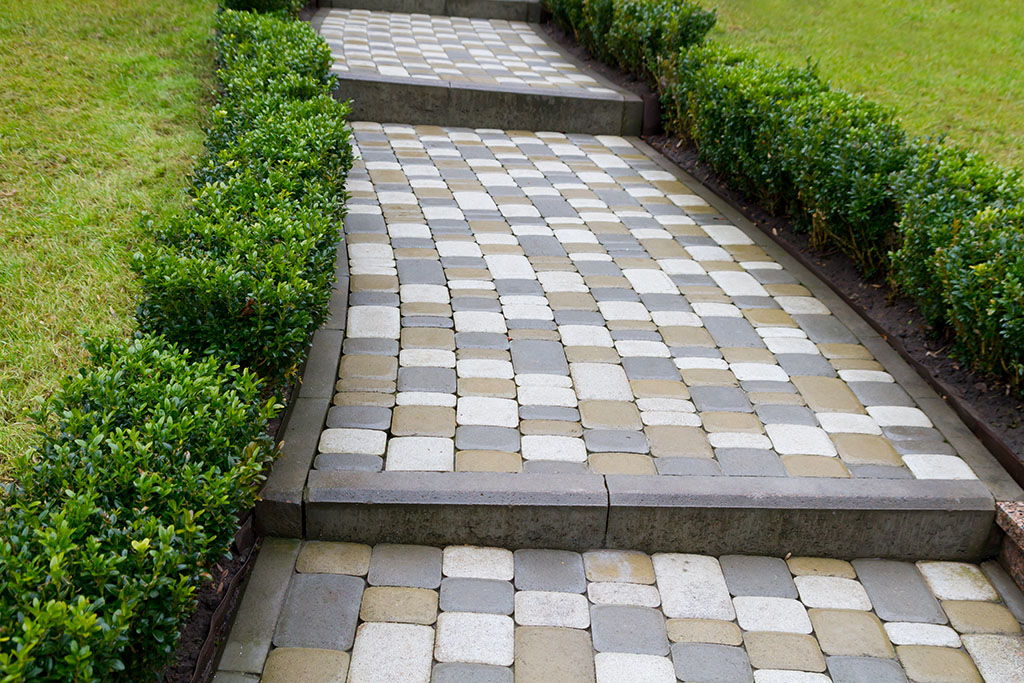
Lastly, the existence of stains, particularly from oil or food spills, can severely detract from the look of your pavers. These stains can be persistent and may not be eliminated with standard cleaning methods. If you notice that such stains persist even after normal cleaning, it may be time for a professional deep cleaning to effectively remove them and protect your investment.
Vital Maintenance and Coating Methods
To maintain the aesthetic and integrity of your pavers, it is crucial to apply efficient cleaning and sealing strategies. Begin with a thorough washing of your pavement. A basic blend of warm water and eco-friendly detergent can remove dirt and grime without damaging your plants. For persistent stains, such as oil or efflorescence, consider using tailored cleaning products designed for pavement. Make sure to use a hard-bristle broom or a pressure washer with care, as incorrect use can harm your pavers.
Once your pavement are washed, it's time to turn to coating. Selecting the right sealer is key for protecting your pavement against moisture and UV damage. There are various types of sealers available, including wet-look and matte finishes, each offering unique benefits. Spreading the coating evenly across your pavement will help lock in the color and provide a barrier against stains and environmental wear. Make sure that the pavers are completely dry before coating to achieve best results.
After coating, maintaining the newly treated pavement is just as important. Regularly check the joints for any indications of wear or sand loss, and replenish with polymeric sand if necessary. This material not only fills the gaps but also prevents weed growth and provides stability. Create a routine maintenance and sealing schedule, preferably every one to two years, to help your pavement retain their glory and longevity. travertine repair will save you money in the long run by minimizing the need for expert deep cleaning services.
Upkeep Tips for Long-Lasting Pavers
To guarantee your pavers stay in great condition, regular cleaning is important. Establish a scheduled plan for cleaning your pavers, optimally every 6-12 months, depending on the level of traffic and the surrounding conditions. This helps to avoid the buildup of dirt, algae, and other organic matter that can lead to long-term damage. Additionally, using environmentally safe detergents can make the cleaning process gentle for your plants and the surrounding ecosystem.
After cleaning, sealing your pavers is just as crucial for extended life. Apply a top-notch sealer that matches your aesthetic preference, whether it's a shiny or matte finish. Sealing protects against deterioration and helps maintain the vibrant colors of your pavers. Keep in mind to check if your old paver sealer needs taking off before applying a new layer, as a bad sealer can hold dirt and moisture against the surface, leading to wear and tear.
Lastly, caring for the joints between your pavers is essential. Utilizing polymeric sand during re-sanding can help avoid weed growth while also stabilizing your pavers against shifting. This not only enhances the appearance of your patio or driveway but also lengthens the lifespan of the entire installation. Consistent maintenance of these elements will keep your pavers looking their optimal and enhance their resilience over time.